

Cricket is never just Cricket. More Than a Game: The Politics of the 2026 T20 World Cup
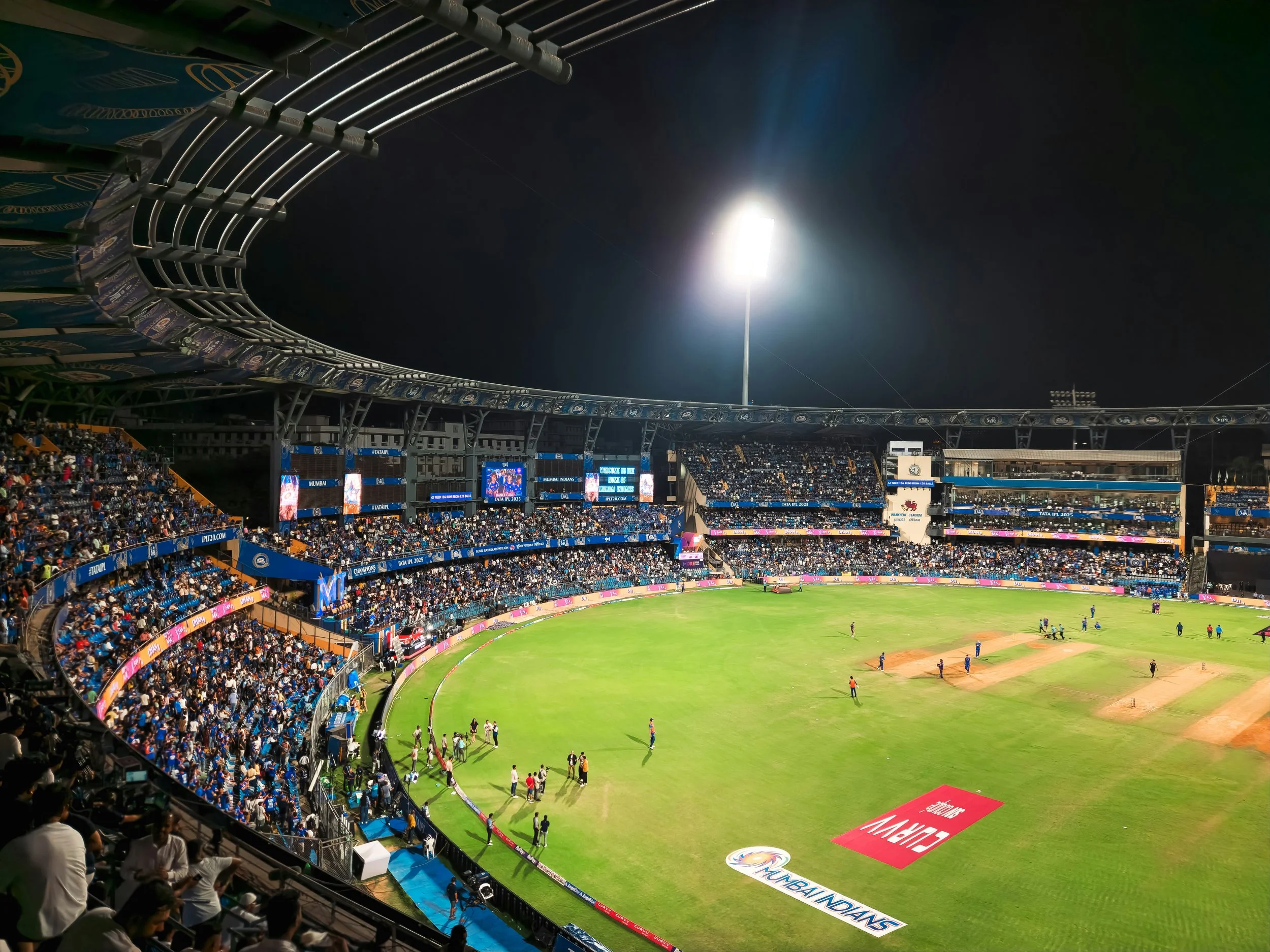
The 2026 T20 World Cup has become more than a cricket tournament. It has become a test of South Asian diplomacy. As the 2026 T20 World Cup is currently taking place in India and Sri Lanka from the 7th of February until the 8th of March, notable controversy has arisen in months prior to this event, as Bangladesh were replaced with Scotland by the International Cricket Council (ICC) on the 24th of January after they refused to play in India. After their replacement, however, Pakistan had threatened to boycott their match against India on the 15th of February in a show of solidarity with the Bangladesh national cricket team. Despite the boycott having ended on the 10th February through intense diplomatic negotiations and fierce international pressure, these acts carry major ramifications on South Asian geopolitics. After all, cricket is by far the biggest sport on the subcontinent with 900 million to 1 billion fans on the subcontinent, with 600 million viewers in India watching the 2024 Indian Premier League. Yet for a cricket-mad nation, like Bangladesh, to withdraw from the tournament entirely, severe issues must have emerged between them and the host nation of India. Here, this division will be explored along with why Pakistan provided an act of solidarity with them. However, it is important not to forget the role of the ICC, who for reasons to be found out below, replaced Bangladesh with Scotland, instead of acceding to their demands. But first, the investigation will start with why Bangladesh decided to boycott the tournament.
The catalyst for their refusal to play in India came with release of Bangladesh bowler Mustafizur Rahman from Indian Premier League (IPL) side Kolkata Knight Riders after they were forced to do so by the Board of Control for Cricket in India (BCCI). He was the only Bangladeshi player bought in the 2026 IPL auction and was the most expensive player ever bought, with Kolkata Knight Rider paying 92 million Indian rupees ($1m) for his signature. No reason was given for their instruction, however, the Guardian notes that the board secretary, Devajit Saikia, vaguely noted that it was “due to recent developments”. These “recent developments” originate from the flight of Sheikh Hasina to India in 2024, following a series of deadly protests. This has meant the relationship between the two nations has soured as anti-Indian sentiment within Bangladesh has risen to an all-time high. Much of this anger is directed that the fact that Sheikh Hasina still remains in New Delhi despite several requests by the interim government for her, and when figures, like All-rounder Shakib Al Hasan, one of Bangladesh’s greatest cricketers of all time, have sparred with the interim government, over simple issues like wishing happy birthday to the ousted Prime Minister, they too have not returned to Bangladesh after this agitation.
This anger has been bubbling since the ousting with the removal of Rahman coming in weeks following the death of Dipu Chandra Das, a Hindu factory worker, who was violently beaten and lynched by a mob in northern Bangladesh on the 18th of December 2025, after being accused of making derogatory comments against the Prophet Muhammad. This resulted in a protests of hundreds, led by Hindu nationalist groups, outside the Bangladeshi High Commission in New Delhi. Returning to Rahman’s signing, Shah Rukh Khan, Indian Bollywood Icon, who owns 70% of Kolkata Knight Riders, was attacked by religious and political figures within India for his franchise’s signing. Subsequently, an emergency meeting was held by the Bangladesh Cricket Board, who felt it would be unsafe to travel to India under the prevailing conditions. All four of its group stage games would have been held in India, including the opening games against the West Indies and a game against England, which would have been held in Kolkata. Instead, the Bangladesh Cricket Board asked for their games to be played in Sri Lanka instead, like Pakistan, whose four group-stage games, will held in that nation. The BCCI labelled this as impractical, calling it a logistical nightmare, pointing out how Pakistan had already arranged this months before, while Bangladesh had only just complained about a month before the tournament was set to get underway. However the hypocrisy of the BCCI was noted by certain critics after India played their Champions Trophy matches in the United Arab Emirates due to tensions with hosts Pakistan. The ICC claimed on Wednesday 21st January that relocating Bangladesh “in the absence of any credible security threat, could set a precedent that would jeopardise the sanctity of future ICC events", undermining its neutrality as a governing body. But some critics, found in Guardian, believe its sanctity was already damaged when India moved to Dubai, while other nations flew between the two nations.
Subsequently, a deadline was given by the ICC to the Bangladesh Cricket Board, after rejecting their request, giving them 24 hours to declare their participation, providing them an alternative by switching groups with Ireland, who were set to play their games in Mumbai and Chennai. When that deadline passed, Scotland were invited to the tournament as the highest-ranked nation, who failed to qualify to the expanded 20 team tournament with the ICC claiming that it wouldn’t want to establish a precedent that would damage their neutrality and fairness. Meanwhile, Bangladesh cricket team have remained fairly silent over this issue, fearing they would draw into a broader diplomatic dispute. According to the Hindustan Times, Bangladesh’s cricketers before the deadline were briefed on the plans of the Bangladesh Cricket Board, where the newspaper claims that it “left players feeling they were briefed on a decision already taken, rather than consulted on one still in play”, arguing it was more or less a decision taken by the government. It highlights how “during the meeting, captain Litton Das and Test captain Najmul Hossain Shanto spoke up, and insisted they were ready to play in the tournament”. After all, in 2025, Bangladesh won 15 of its 30 T20 matches, its best record in a calendar year. For cricketers, what wasn’t just important was the loss of lucrative match fees, but rather the chance to receive recognition, limiting their exposure to quality opposition and further opportunities Instead, perceived security risks against players, supporters, and journalists, resulted in the Bangladesh Cricket Board’s decision to not go, claiming there was “no proper justice” since no meaningful steps were taken to address their specific grievances. Meanwhile, participation in the February Asian Shooting Championships in New Delhi was approved by Bangladesh, without requesting any extra security measures. However, for Bangladesh now, all eyes are looking ahead to its parliamentary elections, which are to be held on the 12th of February.
However, while Bangladesh looks ahead, Pakistan once planned to boycott their match against India, which will now take place on the 15th of February in Colombo, Sri Lanka. But why Pakistan chose to stand with Bangladesh needs to be assessed along with why they eventually stood down. Notably, these two nations have not faced each other outside of major tournaments since 2013, while India has not toured Pakistan since 2008, following the 2009 Lahore attack on the Sri Lankan national cricket team, which killed two civilians and six policemen. Additionally, as result of existing tensions between the two nations, Pakistani players have been banned from the IPL since 2009 after the Mumbai attacks left 174 people, including the nine gunmen dead. More recently, there were skirmishes between the two nations in April 2025 off the back of an attack in Indian-administered Kashmir against tourists by militants. In February 2026, the government gave its consent to play in the tournament, but not to play in the match against India with Pakistan Prime Minister Shehbaz Sharif claiming the decision was made to "support" Bangladesh. The ICC labelled this stance as “difficult to reconcile”, as noted in the BBC, arguing the government would “undermine the spirit and sanctity of the competitions”. Despite acknowledging existing tensions, they question whether this action was truly in the game’s best interests. This battle over what is in cricket’s best interests has also found its way to Sri Lanka, who were scheduled to host the divisive match. Their cricket board wrote to Pakistan Cricket Board, calling on them to reconsider their decision, stressing the amount of preparation they made as co-hosts of the tournament and the close relationship between the two South Asian nations. For Sri Lanka, they would benefit from increased ticket sales from a sold-out match and an influx of spectators for the game. Additionally, Sky Sports notes how Bangladesh also asked Pakistan to stop their boycott “for the benefit of the entire cricket ecosystem" whilst being grateful for their efforts of support. If Pakistan didn’t end the boycott, they would have likely had their points docked. However, the boycott was eventually ended after talks between the ICC and the Pakistan Cricket Board, while BCB officials were also present. Here ends Pakistan’s boycott story, albeit it feels important to specify what exactly the role of the ICC was in all of this.
Notably, the ICC replaced Bangladesh with Scotland but when it came to Pakistan, other underlying issues were also present. After all, they chose which teams would play in each group, with the draw not being random unlike the FIFA World Cup or English FA Cup. Former Pakistan captain, Shahid Afridi, according to the BBC, has accused the ICC of mishandling the situation. But first, focus must be on why the ICC wanted the Pakistan-India match to be played in the first place. The major factor, as with most things in life, is money. The Guardian stresses how the potential boycott could cost the ICC an estimated £367 million in media rights since this match draws large TV audiences, with over 600 million people watching last year’s Champions Trophy game on Indian streaming platform JioHotstar. However, now that the boycott is over, it doesn’t mean that the issue has been completely resolved.
So what’s next for Bangladesh and Pakistan national cricket teams. Notably the meeting between the ICC, Pakistan, Bangladesh didn’t just end Pakistan’s boycott but also, India Today, claims Bangladesh were rewarded for their forfeiture. There was the potential capacity for sanctions by the ICC against Pakistani and Bangladeshi government interference in their national teams. This has had a long-standing precedent Zimbabwe were suspended for three months in 2019 after the government replaced the cricket board, leading to a freeze on their funding and exclusion from World Cup qualifiers. Meanwhile, Sri Lanka lost its right to host the 2023 U-19 World Cup after their government also dismissed the cricket board after poor performances. However, this meeting confirmed that there would be no sporting, financial or administrative penalty sanctions against Bangladesh and instead, the ICC gave Bangladesh to host an ICC event between 2028 and 2031. It is unknown what event Bangladesh will host but this event will take place before they co-host the 50-over World Cup with India in 2031. Additionally, there is the potential to be the sole host of a women’s tournament, unlike men’s tournaments who have been confirmed up to 2031, the hosts for their tournaments have only decided up to 2027. The Pakistani contingent claimed this would right the injustice faced by Bangladesh in their forfeiture. For the ICC, this act was to consolidate Bangladesh’s position as a core cricketing nation, highlighting long-term investment for Bangladesh cricket and developments amidst short-term disruptions. Furthermore the stress is on long-term goodwill from the council since Bangladesh is considered to be a full member of the ICC, and is an extremely lucrative market, with a commercial market of over 200 million people. If they went the punitive route, there would be severe consequences since financial penalties or bans might have strained the BCB's fragile balance sheet and would have worsened fan disenchantment and diplomatic ties. As a result, from forfeiting the T20 World Cup, the BCB are set to lose around $27 million from the ICC’s annual revenue along with more money from broadcast and sponsorship rights. Finally, it is important to consider its ramifications for India’s bid to host the 2036 Olympics. The International Olympic Committee would fear the danger of countries of boycotting the tournament if they were to award India the Games and have zero-tolerance policy towards the independence of sports organisations, which was illustrated when Indonesia was suspended from dialogue about hosting future events after refusing to grant visas for Israeli team for the World Artistic Gymnastic championships in Jakarta. They were also once in the race to host the 2036 Olympics.
If India hopes to host the 2036 Olympics, the events of this World Cup offer a cautionary tale. International sport demands not only infrastructure and spectacle, but confidence that politics will not overwhelm participation. The ICC may have stabilised this tournament through compromise, but the deeper question remains unresolved: can global sport truly remain neutral in a region where history, religion and nationalism so frequently collide?
Note: After their captains did not shake hands at the start of the match, India beat Pakistan in Colombo on the 15th of February by 61 runs.
Sources:
- https://www.bbc.co.uk/sport/cricket/articles/cz6yjz23w19o
- https://www.bbc.co.uk/sport/cricket/articles/cgjwneq7elgo
- https://www.bbc.co.uk/sport/cricket/articles/cp801njpr8zo
- https://www.bbc.co.uk/sport/cricket/articles/c1klx44kjr2o
- https://www.bbc.co.uk/sport/cricket/articles/cje18j2xlqjo
- https://www.bbc.co.uk/sport/cricket/articles/cj4lr07dnr2o
- https://www.bbc.co.uk/sport/cricket/articles/c795w3vz15po
- https://www.bbc.co.uk/sport/cricket/articles/cgjzvjenjvqo
- https://www.independent.co.uk/sport/cricket/bangladesh-shakib-al-hasan-hasina-ban-b2836394.html
- https://www.bbc.co.uk/sport/cricket/articles/cre2z8l5p7lo
